BRUKER BLAH1000 Power Unit Biospin Mri 200-600MHZ
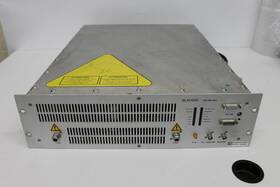
( Brand: Bruker ), ( Manufacturer Part Number: BLAH1000 ), ( Type: Lab., Medical, Dental Vet )
Review BRUKER Power Unit 200-600mhz Biospin Mri
The **Bruker BioSpin Blah1000 Power Unit (200 600 MHz)** is a high-performance, versatile RF (radiofrequency) power amplifier designed to deliver exceptional precision, reliability, and flexibility for advanced magnetic resonance imaging (MRI) applications. Engineered by Bruker BioSpin, a leader in NMR and MRI technology, this power unit is specifically optimized for use in superconducting magnet systems, serving as the critical interface between the MRI console and the RF coils, ensuring optimal signal transmission and reception across a broad frequency spectrum. Operating within the 200 600 MHz range, it accommodates a wide array of clinical and research MRI systems, including whole-body, high-field, and specialized imaging modalities such as cardiac, neuro, and small-animal MRI. The Blah1000 Power Unit is built on Bruker s robust engineering principles, featuring a compact yet rugged design that integrates seamlessly into MRI environments while maintaining high thermal efficiency and minimal electromagnetic interference (EMI). Its sophisticated digital control architecture enables precise amplitude and phase modulation, critical for high-resolution imaging, dynamic contrast enhancement, and advanced pulse sequences like gradient-echo, spin-echo, and fast imaging techniques. The unit s high linearity and low distortion ensure superior image fidelity, reducing artifacts and improving diagnostic accuracy, particularly in demanding applications such as diffusion-weighted imaging (DWI) or functional MRI (fMRI). Additionally, the power unit incorporates advanced safety features, including overcurrent protection, thermal monitoring, and fail-safe mechanisms, to safeguard both the system and the patient during operation. With its modular and scalable design, the Blah1000 Power Unit supports future upgrades and compatibility with emerging MRI technologies, making it an indispensable component for research institutions, academic hospitals, and clinical centers seeking cutting-edge imaging capabilities. Whether used in routine diagnostic imaging or pioneering scientific research, this power unit exemplifies Bruker BioSpin s commitment to innovation, performance, and the advancement of medical imaging science.
### **Pros and Cons of Buying a Bruker BioSpin Blah1000 Power Unit (200 600 MHz MRI System)**
#### **Pros**
1. **High-End Performance and Reliability**
Bruker BioSpin is a well-established manufacturer in the medical imaging industry, known for producing high-quality, durable MRI systems. The Blah1000 power unit is designed for precision and stability, ensuring consistent performance in clinical, research, and industrial applications.
2. **Wide Frequency Range (200 600 MHz)**
The ability to operate across multiple frequencies (200 600 MHz) provides flexibility for different imaging needs, including small animal research, high-resolution imaging, and specialized applications like spectroscopy. This versatility makes it suitable for both academic and commercial settings.
3. **Advanced Technology and Integration**
Bruker systems are known for their integration with other imaging modalities (e.g., CT, PET) and software solutions. The Blah1000 power unit likely includes advanced RF (radiofrequency) components, gradient coils, and cooling systems optimized for high-performance MRI.
4. **Research and Development Capabilities**
For institutions involved in biomedical research, this system offers the capability to conduct cutting-edge studies, including functional MRI (fMRI), diffusion tensor imaging (DTI), and molecular imaging. The high-frequency range allows for finer spatial resolution, which is critical in neuroscience, oncology, and material science research.
5. **Support and Service Network**
Bruker has a global support infrastructure, including trained technicians, service contracts, and access to spare parts. This reduces downtime and ensures long-term operational reliability, which is crucial for high-cost medical equipment.
6. **Compatibility with Existing Infrastructure**
If the buyer already has a Bruker MRI system or plans to expand their imaging capabilities, this power unit can be seamlessly integrated into an existing setup. Compatibility with Bruker s software (e.g., ParaVision) further simplifies workflows.
7. **Long-Term Investment Potential**
MRI technology is a significant capital investment, but Bruker systems are designed for longevity. With proper maintenance, a system like this can remain relevant for decades, adapting to new imaging protocols and advancements in software.
---
#### **Cons**
1. **High Initial Cost**
Bruker MRI systems, especially high-end models like the Blah1000 power unit, are extremely expensive. The purchase price can range from several hundred thousand to over a million dollars, depending on configuration and additional accessories. This makes it a substantial financial commitment, particularly for smaller institutions or startups.
2. **Maintenance and Operational Expenses**
Beyond the purchase price, ongoing costs include maintenance contracts, calibration, cooling system upkeep, and potential upgrades. Bruker s proprietary components may require specialized technicians, increasing service costs over time.
3. **Space and Infrastructure Requirements**
MRI systems require dedicated, shielded rooms to minimize interference. The installation may necessitate structural modifications (e.g., reinforced floors, Faraday cage shielding), which can add to the total cost and complexity of deployment.
4. **Training and Workforce Dependence**
Operating a high-end MRI system requires trained personnel. Institutions may need to invest in staff training or hire specialized technicians, which can be a barrier for organizations without existing expertise in MRI technology.
5. **Depreciation and Obsolescence**
While Bruker systems are durable, advancements in MRI technology occur rapidly. Within a few years, newer models with improved resolution, speed, or software capabilities may emerge, potentially reducing the system s value over time.
6. **Limited Secondhand Market**
Unlike general-purpose lab equipment, high-end MRI systems have a limited resale market. If an institution needs to upgrade or divest the system, finding a buyer may be challenging, and the resale value is likely to be significantly lower than the original purchase price.
7. **Regulatory and Compliance Challenges**
MRI systems are subject to strict regulatory standards (e.g., FDA, CE, or country-specific guidelines). Ensuring compliance with safety and operational regulations can add complexity, particularly for institutions unfamiliar with medical imaging regulations.
---
### **Conclusion**
The Bruker BioSpin Blah1000 power unit (200 600 MHz) is a powerful, versatile, and reliable tool for advanced MRI applications. Its strengths lie in its high performance, flexibility, and integration capabilities, making it ideal for research institutions, academic hospitals, and industrial labs with significant imaging needs. However, the high upfront and operational costs, along with the infrastructure and expertise requirements, present significant challenges, particularly for smaller organizations or those without prior MRI experience.
For institutions with the financial resources, dedicated space, and technical staff, this system represents a robust long-term investment. Conversely, organizations with limited budgets or infrastructure may find it more prudent to consider lower-cost alternatives, lease options, or phased upgrades to gradually build their imaging capabilities.
### **Recommendation**
- **For Research Institutions, Universities, or Large Hospitals:**If the budget allows and the institution has the infrastructure and expertise, purchasing the Bruker Blah1000 power unit is a strong choice. Its flexibility and performance justify the investment for high-impact research or clinical applications requiring advanced imaging.
- **For Smaller Clinics, Startups, or Budget-Constrained Labs:** Consider alternative options such as:- **Leasing or Renting:** Reduces upfront costs while still providing access to high-end technology.
- **Lower-Frequency Systems:** If 200 600 MHz is unnecessary, a lower-frequency MRI (e.g., 1.5T or 3T) may suffice for basic imaging needs at a fraction of the cost.
- **Used or Refurbished Systems:** While less common for high-end MRI, some pre-owned systems may be available at a discount, though thorough vetting is essential.
- **Collaborative Partnerships:** Partnering with nearby universities or research centers may provide access to Bruker systems without full ownership.
Ultimately, the decision should align with the institution s long-term goals, financial capacity, and technical readiness. Consulting with Bruker representatives or MRI system specialists can help tailor the purchase to specific needs and mitigate risks.
Details:
Layette, AL 35555. See pictures, item comes as shown. 220 2nd St NW. Info on Unit.
Bruker BLAH1000 Power Unit 200-600Mhz BioSpin MRI. Unit is used, pulled from working decommissioned Bruker BioSpin MRI.
part #: blah1000 price
- $3499.97
specifications tubinglabsupplyu:
- brand: Bruker
- mpn: Blah1000
- type: Lab., Medical, Dental Vet
payments tubinglabsupplyu:
- other
- wallet: Apple-pay
- credit card: Diners-club
general tubinglabsupplyu:
- Healthcare, Lab Dental > Medical, Lab Dental Supplies > Other Medical, Lab Dental Supplies
- condition: Used
returns tubinglabsupplyu:
- time: 30 Days
- method: Money back
- paid by: Buyer
- policy: Returns Accepted
shipping tubinglabsupplyu:
- service: UPS Ground Saver, FedEx Ground Economy, UPS Ground, USPS Ground Advantage
- carrier: UPS, FedEx, USPS
- class: Economy, Standard
- type: Calculated
- transit: 4-7 Days
- cost: $75.57
seller tubinglabsupplyu:
- city: Fayette, Alabama
- rating: 99.8%
- # reviews: 1992
offer tubinglabsupplyu:
- quantity: 1
- started: March 26, 2026
- best offers: True
- options: Ship-to-home
- availability: In Stock
- sold: 0
Bruker BLAH1000 Is Similar To:
- Aqs Z003642 Ecl05 Sgu400 Module Bruker Biospin Mri (36.4% similar) Unit is used, pulled from working decommissioned Bruker biospin mri. Info on unit. See pictures, item comes as shown. Layette, al 35555. 220 2ND st NW. AWS ECL05 Z003642 SGU400 module Bruker biospin mri...(March 24th, 2026)
- Aqs H9773 Control Module Bruker Biospin Mri (39.1% similar) Layette, al 35555. See pictures, item comes as shown. 220 2ND st NW. Info on unit. Unit is used, pulled from working decommissioned Bruker biospin mri. AWS H9773 control module Bruker biospin mri...(March 24th, 2026)
- Aqs Z003572 Ecl01 Hadc 2 Module Bruker Biospin Mri (36.4% similar) Unit is used, pulled from working decommissioned Bruker biospin mri. Layette, al 35555. Info on unit. AWS ECL01 Z003572 HADC/2 module Bruker biospin mri. 220 2ND st NW. See pictures, item comes as shown...(March 24th, 2026)
- Aqx Rcu2 5 Ecl00 Cpu Module Bruker Biospin Mri (37.9% similar) 220 2ND st NW. See pictures, item comes as shown. Info on unit. Unit is used, pulled from working decommissioned Bruker biospin mri. Layette, al 35555. Ax ECL00 RCU2/5 CPU module Bruker biospin mri...(March 25th, 2026)
- Aqs H9503v1 Ecl02 Ccu11 Controller Module Bruker Biospin Mri (33% similar) 220 2ND st NW. AWS ECL02 CCU11 H9503V1 controller module Bruker biospin mri. Info on unit. Layette, al 35555. Unit is used, pulled from working decommissioned Bruker biospin mri. See pictures, item comes as shown...(March 25th, 2026)
- Aqs H9520 German Power Aqs-464w Supply Bruker Biospin Mri (45.3% similar) Unit is used, pulled from working decommissioned Bruker biospin mri. Layette, al 35555. Info on unit. German power H9520 AQS-464W supply Bruker biospin mri. See pictures, item comes as shown. 220 2ND st NW. > 110-240VAC, 47-63HZ...(March 25th, 2026)
- Aqs H9530 Ecl01 Psd Board Bruker Biospin Mri (38.7% similar) Layette, al 35555. Unit is used, pulled from working decommissioned Bruker biospin mri. 220 2ND st NW. AWS ECL01 H9530 pad board Bruker biospin mri. Info on unit. See pictures, item comes as shown...(March 26th, 2026)
- Aqs H9500 Acb-x Acb Module Bruker Biospin Mri (38.3% similar) > ABC extended board. Unit is used, pulled from working decommissioned Bruker biospin mri. See pictures, item comes as shown. Info on unit. Layette, al 35555. 220 2ND st NW. AWS ABC-x H9500 ABC module Bruker biospin mri...(March 26th, 2026)
- Xantrex T9745 Xpr 300-20 Dc Power Supply 0-300v 0-20a Bruker Biospin Mri (51.2% similar) > 400-480VAC. See pictures, item comes as shown. Info on unit. Centres CPR 300-20 dc power supply T9745 0-300V 0-20A Bruker biospin mri. Unit is used, pulled from working decommissioned Bruker biospin mri...(March 26th, 2026)
- Bruker H5800 Bgu-ii Typ Grad Unit Tomo Biospin Mri (60.6% similar) 220 2ND st NW. Unit is used. Layette, al 35555. Info on unit. Was removed working from a decommissioned Bruker biospin mri system. Bruker bug-ii H5800 grad unit Tom...(March 27th, 2026)
- Bruker 12-80-2 Bsps Shim Power Supply Biospin Mri (57.1% similar) 240V 60-60HZ. Was removed working from a decommissioned Bruker biospin mri system. Unit is used. Layette, al 35555. 220 2ND st NW. Info on unit. Bruker baps 12-80-2 shim power supply biospin mri...(March 27th, 2026)