TBJ INCORPORATED REM-1 Rodent Euthanasia 214679-DA6
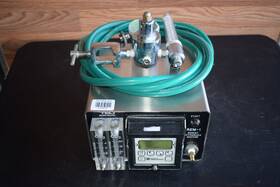
( Brand: Tbj Incorporated ), ( Manufacturer Part Number: REM-1 ), ( Country Of Origin: United States ), ( Intended Use/discipline: Rodent Euthanasia Machine )
Review TBJ INCORPORATED Rodent Euthanasia Machine #214679-da6
The **TBJ REM-1 Rodent Euthanasia Device** (Model #214679-DA6) is a sophisticated, humane, and highly efficient tool designed specifically for the controlled and compassionate euthanasia of small laboratory rodents, including mice, rats, and other common research subjects. Engineered with precision and adhering to strict ethical and regulatory standards, this device employs a rapid, non-invasive method to ensure a swift and painless termination of life, minimizing stress and distress for the animal. The REM-1 operates on a carbon dioxide (CO ) displacement principle, a widely accepted and scientifically validated technique in laboratory settings due to its reliability and consistency. The device features a sealed, transparent chamber with a secure, airtight seal to contain the CO gas, allowing for complete control over the euthanasia process. Its compact yet durable construction ensures stability and ease of use, making it suitable for both research laboratories and veterinary facilities. The REM-1 is equipped with a digital pressure gauge and a precise flow regulator, enabling operators to monitor and adjust the CO concentration with accuracy, thereby optimizing the euthanasia process for different species and sizes. Safety is a cornerstone of its design, with features such as an automatic pressure release valve and a non-return valve to prevent gas leakage and ensure the well-being of both the animal and the operator. The device s ergonomic design allows for quick and easy assembly and disassembly, facilitating efficient workflow in busy laboratory environments. Additionally, the REM-1 is constructed from high-quality, easy-to-clean materials, ensuring hygiene and longevity. Whether used in routine euthanasia procedures or specialized research applications, the TBJ REM-1 stands as a reliable and humane solution, upholding the highest standards of animal welfare while delivering consistent and reproducible results.
**Pros and Cons of buying a TBJ REM-1 Rodent Euthanasia Device (Model 214679-DA6)**
### **Pros**
1. **Humane and Effective Euthanasia** The REM-1 is designed to deliver a rapid, painless, and humane method of euthanasia for rodents using a high-frequency electrical current. This minimizes suffering compared to manual methods like cervical dislocation or CO asphyxiation, which can be stressful or prolonged.
2. **Quick and Reliable** The device ensures immediate incapacitation and death, reducing the time rodents spend in distress. This is particularly important in research, pest control, or laboratory settings where efficiency is critical.
3. **Clean and Hygienic** Unlike methods involving physical force or chemical exposure, the REM-1 eliminates the risk of contamination from blood, fur, or other biological materials. It also avoids the need for manual handling, which can introduce variables like stress or injury.
4. **Versatile Application** The device can be used for a variety of rodents, including rats, mice, and other small laboratory animals, making it suitable for diverse research or institutional settings.
5. **Compliance with Ethical Guidelines** Many scientific and regulatory bodies (e.g., AVMA, IACUC) recommend electrical euthanasia as a humane method when properly executed. The REM-1 aligns with these standards if used correctly.
6. **Reduced Operator Fatigue** Manual methods like cervical dislocation require significant physical effort, especially when processing large numbers of animals. The REM-1 automates the process, reducing strain on personnel.
7. **Minimal Post-Mortem Artifacts** Unlike CO euthanasia, which can cause tissue changes, the REM-1 produces fewer artifacts in tissue samples, making it preferable for histological or biochemical studies.
8. **Portability and Ease of Use** The device is relatively compact and designed for straightforward operation, though proper training is still required to ensure correct usage.
---
### **Cons**
1. **Requires Proper Training** Misuse of the device can lead to prolonged suffering or incomplete euthanasia. Operators must be trained to apply the correct current, duration, and technique to ensure humane results.
2. **Initial Cost** The REM-1 is an investment compared to cheaper manual methods (e.g., cervical dislocation). Institutions or researchers must weigh the long-term benefits against upfront expenses.
3. **Maintenance and Calibration** Like all electronic equipment, the REM-1 may require periodic maintenance, calibration, and replacement of components (e.g., electrodes). Neglecting these can compromise performance.
4. **Not Suitable for All Rodents** While effective for most small rodents, very large or obese animals may require adjustments in technique or additional equipment to ensure proper contact and current delivery.
5. **Potential for Equipment Failure** Electrical devices can malfunction, leading to inconsistent results. Backup methods or manual euthanasia protocols should be available as contingencies.
6. **Ethical and Psychological Considerations** Some researchers or animal welfare advocates may still prefer alternative methods (e.g., CO or barbiturate overdose) due to personal or institutional preferences, even if the REM-1 is scientifically valid.
7. **Regulatory and Institutional Approval** Not all facilities may approve the use of electrical euthanasia, particularly if they have strict protocols favoring other methods. Approval from Institutional Animal Care and Use Committees (IACUC) may be required.
8. **Limited Use Outside Research** While useful in laboratories, the REM-1 may not be practical for non-research settings (e.g., home pest control), where simpler or cheaper methods might suffice.
---
### **Conclusion**
The TBJ REM-1 Rodent Euthanasia Device is a highly effective and humane tool for euthanizing rodents in controlled environments, particularly in research laboratories. Its advantages in speed, reliability, and hygiene make it a valuable asset for facilities prioritizing ethical and efficient animal handling. However, its effectiveness depends on proper training, maintenance, and adherence to protocols. The device is not without drawbacks, including its cost, the need for specialized knowledge, and potential regulatory hurdles.
### **Recommendation**
The REM-1 is **highly recommended for research institutions, veterinary clinics, or laboratories** that require a rapid, humane, and consistent method of rodent euthanasia. Before purchasing, ensure that:
- Staff are adequately trained in its use.
- The device is compatible with institutional euthanasia protocols and IACUC guidelines.
- A backup euthanasia method is available in case of equipment failure.
- The long-term benefits (e.g., improved animal welfare, efficiency, and sample integrity) outweigh the initial cost.
For non-research settings or small-scale use, alternative methods (e.g., CO chambers or cervical dislocation) may be more practical. Always consult with veterinary professionals or animal care experts to determine the best approach for your specific needs.
Details:
TBJ Incorporated Rem-1 Rodent Euthanasia Machine. All return shipping charges must be prepaid by the customer.
part #: rem1 price
- $1399.99
specifications tubinglabsupplyu:
- brand: Tbj Incorporated
- mpn: Rem-1
- country of origin: United States
- intended use/discipline: Rodent Euthanasia Machine
general tubinglabsupplyu:
- condition: Used
- Healthcare, Lab Dental > Medical, Lab Dental Supplies > Other Medical, Lab Dental Supplies
shipping tubinglabsupplyu:
- carrier: UPS, FedEx
- cost: $80.50
- transit: 5-11 Days
- type: Calculated
- class: Standard
- service: UPS Ground, FedEx Ground / FedEx Home Delivery
offer tubinglabsupplyu:
- sold: 0
- started: February 28, 2026
- best offers: True
- availability: In Stock
- options: Ship-to-home
- quantity: 1
payments tubinglabsupplyu:
- wallet: Apple-pay
- other
- credit card: Diners-club
returns tubinglabsupplyu:
- policy: No Returns
seller tubinglabsupplyu:
- city: Moreno Valley, California
- rating: 100.0%
- # reviews: 1323