AMP Medical Stimulator Cable Dual Right Angle Plug Amplifier Banana Lead Wire REVIEW211400-1
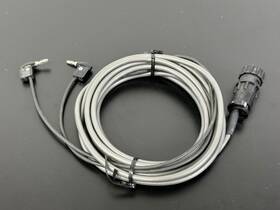
( Brand: Amp ), ( Manufacturer Part Number: 211400-1 ), ( Part Type: Angle Wire Cable Plug Amplifier )
Review AMP Medical Stimulator Cable Dual Right Angle Banana Plug Lead Wire
The **211400-1 Medical Stimulator Cable with Dual Right-Angle Banana Plugs** is a high-quality, precision-engineered lead wire designed for reliable and safe electrical connectivity in medical and clinical applications, particularly within electrotherapy, neuromuscular stimulation, and diagnostic equipment. Constructed with durable, medical-grade materials, this cable features a robust, flexible, and kink-resistant jacket that ensures longevity and resistance to wear and tear, even in demanding environments where frequent repositioning or repeated use is required. The dual right-angle banana plugs are securely mounted in a sturdy, insulated housing, providing a secure and stable connection to stimulator devices while minimizing the risk of accidental dislodgment or short circuits. Each plug is designed with a precise, low-resistance contact point to maintain signal integrity and reduce voltage drop, ensuring consistent performance during therapeutic or diagnostic procedures. The lead wire itself is shielded to protect against electromagnetic interference (EMI), which is critical for maintaining accurate stimulation parameters and preventing signal degradation in sensitive medical applications. Additionally, the cable s clear, color-coded labeling or numbering system (if applicable) facilitates easy identification and proper pairing with corresponding stimulator outputs, reducing the potential for user error. Whether used in physical therapy, pain management, or electrodiagnostic testing, this cable delivers a dependable, low-impedance pathway for electrical signals, contributing to the effectiveness and safety of medical treatments. Its compact yet sturdy design allows for easy integration into various stimulator systems, making it an essential component for professionals who require precision, durability, and reliability in their clinical workflows.
The **211400-1 Medical Stimulator Cable (Dual Right Angle Banana Plug Lead Wire)** is a specialized cable used in medical and laboratory settings for connecting stimulators, electrodes, or other low-voltage devices. Below is a detailed breakdown of its pros and cons, followed by a conclusion and recommendation.
---
### **Pros:**1. **Compatibility with Medical Devices**
The cable is designed for use with medical stimulators, electrodes, and other precision equipment. It ensures a secure and reliable connection, reducing the risk of loose or intermittent contacts that could compromise device performance or patient safety.
2. **Right-Angle Banana Plugs**
The dual right-angle banana plugs allow for flexible routing and easier cable management in tight or confined spaces. This is particularly useful in clinical or laboratory environments where space is limited, and cables need to be routed around obstacles without straining.
3. **Durable Construction**
Medical-grade cables like this one are typically constructed with high-quality materials, including insulated wires and sturdy connectors. This ensures longevity and resistance to wear and tear from frequent use or accidental snags.
4. **Low Resistance and High Conductivity**
The cable is likely made from materials with low electrical resistance (e.g., copper or copper-clad steel), which minimizes signal degradation and ensures accurate stimulation or measurement. This is critical in medical applications where precision matters.
5. **Safety Standards Compliance**
Medical cables are subject to strict regulatory standards (e.g., ISO 60601, UL, or FDA compliance) to ensure safety and reliability. This cable is likely designed to meet these standards, reducing the risk of electrical hazards or malfunctions.
6. **Easy to Install and Replace**
The banana plug connectors are standard in many medical devices, making it straightforward to connect or replace the cable without requiring specialized tools or training. This simplifies maintenance and troubleshooting.
7. **Versatility**
The dual-plug design allows for connections to multiple devices or split usage (e.g., one plug for a stimulator and the other for an electrode). This versatility makes it useful in a variety of applications, from research labs to clinical settings.
---
### **Cons:**1. **Limited Length**
The cable length (if standard for this model) may be insufficient for certain setups, particularly in larger clinical rooms or research labs where longer cables are required. Short cables can limit mobility and may necessitate additional extensions or adapters, which could introduce additional resistance or signal noise.
2. **Potential for Loose Connections**
While banana plugs are secure, they can sometimes become loose over time due to vibration, repeated use, or improper handling. This could lead to intermittent connections, which may disrupt medical procedures or data collection.
3. **Cost**
Medical-grade cables are generally more expensive than standard audio or general-purpose cables. The price may be a barrier for individuals or smaller clinics with tight budgets, especially if multiple cables are needed.
4. **Compatibility Issues with Non-Medical Devices**
This cable is optimized for medical use and may not be compatible with non-medical devices (e.g., standard audio equipment, DIY projects, or consumer electronics). Attempting to use it with incompatible devices could void warranties or pose safety risks.
5. **Maintenance Requirements**
Medical cables should be regularly inspected for signs of wear, fraying, or damage to the insulation or connectors. Failure to maintain the cable could lead to electrical hazards or equipment malfunctions. This adds a layer of responsibility for users.
6. **Limited Customization**
The cable is likely a fixed-length, off-the-shelf product with no options for customization (e.g., length, additional connectors, or shielding). Users with specific needs may need to source additional components or adapters.
7. **Potential for Signal Interference**
While medical cables are designed to minimize interference, improper shielding or poor grounding in the setup could still introduce noise or artifacts in sensitive measurements (e.g., electrophysiology or neural stimulation).
---
### **Conclusion:**The **211400-1 Medical Stimulator Cable** is a high-quality, specialized cable well-suited for medical and laboratory applications where reliability, safety, and precision are critical. Its right-angle banana plugs and durable construction make it practical for use in clinical or research environments, particularly where space is limited. However, its limitations such as fixed length, potential for loose connections, and higher cost may make it less ideal for non-medical applications or settings where longer or more customizable cables are required.
For users working with medical stimulators, electrodes, or similar devices, this cable is a sound investment due to its compliance with safety standards and performance consistency. However, those on a tight budget or working in non-medical contexts may need to weigh the cost against alternatives or consider additional accessories to meet their specific needs.
---
### **Recommendation:** - **Buy if:**- You are working in a medical, clinical, or research setting where the cable will interface with stimulators, electrodes, or other precision devices.
- You require a reliable, durable, and space-efficient connection solution with right-angle plugs.
- You prioritize safety and compliance with medical-grade standards.
- **Avoid if:**- You need a longer cable length than what is provided (consider ordering a longer version or using an extension cable with appropriate shielding).
- You are working with non-medical devices where standard cables would suffice.
- Your budget is constrained, and you can find a suitable alternative at a lower cost without compromising safety or performance.
- **Alternatives to Consider:**- If length is an issue, look for a longer version of this cable or a medical-grade extension cable with banana plugs.
- For non-medical applications, standard banana plug cables or alligator clip cables may be more cost-effective.
- If you require additional features (e.g., shielding, multiple connectors), explore cables with built-in adapters or customizable options.
In summary, this cable is ideal for its intended medical use but may not be the best fit for all scenarios. Always ensure the cable meets the specific requirements of your equipment and application.
Details:
Shipping and Handling. May Have Scuffs, Scratches, Tape residue, Staining. AS-IS items are sold without warranty. Used Items May shows signs of prior use.
part #: 2114001 prices
- $18.67-$45.00
specifications tubinglabsupplyu:
- brand: Amp
- mpn: 211400-1
- part type: Angle Wire Cable Plug Amplifier
payments tubinglabsupplyu:
- other
- credit card: Diners-club
- wallet: Apple-pay
shipping tubinglabsupplyu:
- carrier: UPS
- service: UPS Ground
- type: Fixed
- transit: 2-6 Days
- class: Standard
- cost: $18.32
returns tubinglabsupplyu:
- policy: Returns Accepted
- time: 14 Days
- paid by: Buyer
- method: Money back
offer tubinglabsupplyu:
- quantity: 1
- options: Ship-to-home
- sold: 0
- availability: In Stock
- started: June 2, 2026
- best offers: True
seller tubinglabsupplyu:
- # reviews: 1099
- rating: 100.0%
- city: Vancouver, Washington
general tubinglabsupplyu:
- Healthcare, Lab Dental > Medical, Lab Dental Supplies > Other Medical, Lab Dental Supplies
- condition: Used