FISHERBRAND 13-620-183A Acctuph Rugged Bulb Combination Mercury Electrodes
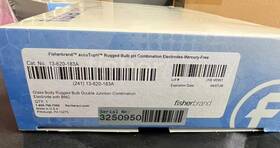
( Brand: Fisherbrand ), ( Manufacturer Part Number: 13-620-183A ), ( Part Type: Bulb Electrode ), ( Intended Use/discipline: Biological Laboratory, Medical Laboratory, Physical Laboratory )
Review FISHERBRAND Acctuph Rugged Bulb Ph Combination Electrodes mercury free 13-620-18
The Fisherbrand **13-620-183A ACCTUph Rugged Bulb Combination Electrode** is a high-performance, mercury-free pH electrode designed for demanding laboratory and industrial applications where durability, accuracy, and reliability are paramount. Engineered with Fisher Scientific s signature precision, this electrode combines a rugged, glass bulb pH sensor with a durable, all-in-one construction to deliver consistent and repeatable measurements even in harsh or abrasive environments. The **ACCTUph** (Advanced Combination pH Technology) design incorporates a **silver/silver chloride (Ag/AgCl) reference junction**, eliminating the need for mercury-based reference elements while maintaining exceptional stability and longevity. This mercury-free construction not only ensures compliance with environmental regulations but also reduces maintenance downtime, as the electrode resists contamination and corrosion more effectively than traditional designs.
The **bulb-style glass sensor** is crafted from high-quality, borosilicate glass, providing a robust yet sensitive surface that responds quickly to pH changes while minimizing drift over time. The electrode s **rugged construction** includes a reinforced body and a **screw-on cap** that protects the internal components from physical damage, dust, and splashes, making it ideal for use in laboratories, food and beverage processing, pharmaceutical manufacturing, and environmental testing. The **gel-filled reference system** ensures a stable internal reference potential, reducing the need for frequent calibration and minimizing errors in high-salinity or fouling conditions. Additionally, the electrode s **low-maintenance design** features a **self-cleaning junction** that resists clogging, allowing for extended use without frequent backfilling or replacement.
For laboratories requiring **versatility and endurance**, the Fisherbrand 13-620-183A is compatible with a wide range of pH meters and benchtop instruments, offering seamless integration into existing workflows. Its **wide temperature range** (0 80 C) and **broad pH range** (0 14) make it suitable for applications spanning acidic cleaning solutions, alkaline wastewater treatment, and precise titrations. The electrode s **durable cable and BNC connector** ensure secure and interference-free signal transmission, while the **non-detachable reference junction** eliminates the risk of leakage or misalignment, further enhancing its reliability in demanding settings. Whether used in routine quality control, research, or industrial monitoring, this electrode delivers **consistent, accurate pH measurements** with minimal maintenance, making it an indispensable tool for professionals who demand both performance and resilience.
### **Fisherbrand 13-620-183A (ActuPh Rugged Bulb Combination Electrodes Mercury-Free) Pros and Cons**
#### **Pros:**1. **Durability and Rugged Design**
The "Rugged Bulb" feature suggests enhanced resistance to physical stress, making it suitable for fieldwork, laboratory use, or environments with occasional rough handling. The combination electrode design (pH and reference in one unit) reduces the risk of misalignment or breakage compared to separate electrodes.
2. **Mercury-Free Construction**
This electrode is mercury-free, which aligns with modern environmental and safety regulations. Mercury is toxic and hazardous to dispose of, so avoiding it simplifies compliance with workplace safety standards (e.g., OSHA, REACH).
3. **Combination Design for Convenience**
A single electrode handles both pH measurement and reference potential, reducing setup time and minimizing potential errors from mismatched electrodes. This is particularly useful in automated or high-throughput applications.
4. **Compatibility with Fisherbrand Systems**
As a Fisher Scientific product, it is likely optimized for use with their pH meters and laboratory equipment, ensuring better calibration and data reliability. It may also integrate seamlessly with software or data logging systems from the same brand.
5. **Potential Long-Term Cost Savings**
Using a durable, combination electrode may reduce replacement costs over time, especially in labs with frequent use or harsh conditions.
6. **Reduced Contamination Risk**
A single electrode reduces the chance of cross-contamination between samples, which is critical in microbiology, pharmaceutical, or food safety testing.
---
#### **Cons:**1. **Higher Upfront Cost**
Combination electrodes, especially ruggedized ones, are typically more expensive than individual pH or reference electrodes. The cost may be a barrier for small labs or budget-conscious users.
2. **Limited Replacement Parts**
If the electrode fails, replacing only the pH-sensitive bulb or reference junction may be difficult or impossible, as combination electrodes are often sold as single units. This could lead to higher disposal costs if the entire electrode must be replaced.
3. **Potential for Signal Interference**
Combination electrodes may be more prone to interference from temperature fluctuations or ionic strength changes in samples, requiring more frequent calibration or maintenance.
4. **Durability Trade-offs**
While the "rugged" design improves resistance to physical damage, it may not be as precise or sensitive as high-end laboratory-grade electrodes. This could affect accuracy in critical applications (e.g., pharmaceutical testing).
5. **Compatibility Issues with Non-Fisher Equipment**
If the user s pH meter or system is not Fisher Scientific-branded, there may be compatibility concerns, such as improper calibration or signal interpretation.
6. **Maintenance Complexity**
Combination electrodes may require more careful handling during storage (e.g., proper drying, avoiding extreme temperatures) to prevent damage to both the pH and reference components.
7. **Limited Lifespan Compared to Individual Electrodes**
Over time, the pH-sensitive bulb and reference junction may degrade at different rates, leading to inconsistent performance before the entire electrode fails.
---
### **Conclusion**
The **Fisherbrand 13-620-183A** is a robust, mercury-free combination electrode well-suited for laboratories or field applications where durability, convenience, and compliance with environmental regulations are priorities. Its single-unit design reduces setup complexity and contamination risks, making it ideal for moderate to high-volume use. However, its higher cost, potential maintenance challenges, and limited replaceability of components may outweigh its benefits for users with tight budgets or highly specialized needs.
### **Recommendation**
- **Buy this electrode if:**- You require a durable, mercury-free solution for general pH testing in a laboratory or field setting.
- You prioritize convenience (single electrode for pH and reference) and want to reduce the risk of electrode mismatches.
- Your budget allows for the higher upfront cost, and you can justify the long-term reliability.
- You use Fisher Scientific equipment, ensuring compatibility with your pH meter and software.
- **Consider alternatives if:**- You need ultra-high precision for critical applications (e.g., pharmaceuticals, environmental testing), where individual high-end electrodes may perform better.
- Your budget is constrained, and you can opt for separate, lower-cost pH and reference electrodes.
- You require frequent replacement of individual components (e.g., only the pH bulb), as combination electrodes are not modular.
- Your lab handles extremely corrosive or high-salt samples, which may accelerate electrode degradation.
For most general laboratory or field applications, this electrode offers a strong balance of performance and practicality. However, always verify compatibility with your specific pH meter and application requirements before purchasing.
Details:
part #: 13620183a prices
- $79.00-$99.00
specifications tubinglabsupplyu:
- brand: Fisherbrand
- mpn: 13-620-183a
- part type: Bulb Electrode
- intended use/discipline: Biological Laboratory, Medical Laboratory, Physical Laboratory
returns tubinglabsupplyu:
- policy: No Returns
general tubinglabsupplyu:
- condition: For parts or not working
- Healthcare, Lab Dental > Medical, Lab Dental Supplies > Other Medical, Lab Dental Supplies
shipping tubinglabsupplyu:
- cost: $15.52
- class: Standard
- transit: 3-7 Days
- type: Calculated
- service: UPS Ground
- carrier: UPS
seller tubinglabsupplyu:
- # reviews: 336
- rating: 100.0%
- city: Cherry Hill, New Jersey
offer tubinglabsupplyu:
- quantity: 1
- started: June 2, 2026
- sold: 0
- options: Ship-to-home
- availability: In Stock
- best offers: True
payments tubinglabsupplyu:
- credit card: Visa
- wallet: Google-pay
- other