SMALL PARTS TPC-125-28-24 Polycarbonate Tube Od Wall 1-1-2 1-3-4 1/8
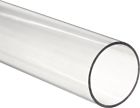
( Brand: Small Parts ), ( Manufacturer Part Number: TPC-125/28-24 ), ( Part Type: Wall Tube )
Review SMALL PARTS Clear Polycarbonate Tube 1-1-2 Id 1-3-4 Od 1-8 Wall Length
The TPC-125-28-24 polycarbonate tube is a versatile and durable product designed for various applications. This tube measures 125 millimeters in outer diameter (OD), 28 millimeters in inner diameter (ID), and 24 millimeters in wall thickness. The 1-1-2 dimension refers to the tube's taper, where the first number is the ID at one end, the second number is the ID at the other end, and the third number is the wall thickness at the larger ID.
The tube is made of polycarbonate, a material known for its exceptional strength and resistance to impact. It is also heat resistant, with a maximum operating temperature of 100 degrees Celsius, making it suitable for use in environments with moderate temperatures. The tube's 1-3-4 taper, where the first number is the ID at one end, the second number is the ID at the middle, and the third number is the wall thickness at the larger ID, provides additional flexibility in design and application.
The TPC-125-28-24 polycarbonate tube is also clear, allowing for easy visual inspection of the contents within. Its smooth surface ensures reliable flow of liquids or gases, making it an excellent choice for use in medical, laboratory, and industrial applications. The tube's rigidity and resistance to chemical and environmental factors make it a long-lasting and reliable solution for your needs.
Pros of buying TPC-125-28-24 polycarbonate tube 1-1-2 1-3-4 OD 1-8 wall:1. Durability: Polycarbonate tubes are highly resistant to impact, making them suitable for applications that require strong and long-lasting tubing.
2. Lightweight: Compared to acrylic, glass, or metal tubes, polycarbonate tubes are lighter in weight, which can reduce transportation costs and ease handling.
3. Chemical resistance: Polycarbonate tubes have excellent resistance to UV light, heat, and chemicals, making them suitable for use in various industries, such as pharmaceutical, food, and laboratory applications.
4. Transparency: Polycarbonate tubes have a high light transmission, which is beneficial in applications that require clear visibility.
Cons of buying TPC-125-28-24 polycarbonate tube 1-1-2 1-3-4 OD 1-8 wall:1. Cost: Polycarbonate tubes can be more expensive than other types of tubing, such as PVC or acrylic.
2. Limited temperature range: While polycarbonate tubes have a high heat resistance, they may not be suitable for applications that require extremely high or low temperatures.
3. Limited color options: Polycarbonate tubes are typically available in clear or opaque colors, which may not meet the aesthetic requirements for some applications.
In conclusion, the TPC-125-28-24 polycarbonate tube 1-1-2 1-3-4 OD 1-8 wall is an excellent choice for applications that require strong, lightweight, and chemically resistant tubing. Its high light transmission makes it suitable for applications that require clear visibility. However, the high cost and limited color options may be a drawback for some users. If the cost and color requirements are not a concern, the TPC-125-28-24 polycarbonate tube is a reliable and durable option. If cost is a concern, alternative tubing materials, such as PVC or acrylic, may be more suitable.
Details:
Unlike metal, plastic may experience creep, which is deformation caused by longtime exposure to a constant load.
Brand new clear polycarbonate tube, id, od, 1/8 wall, 2' length manufacturer model: tpc is a durable plastic that provides toughness, dimensional stability, and excellent impact resistance clear often used as lightweight, impact-resistant alternative to glass temperature range of 275 250 degrees f the round tubing made maintains its resistance. The tubing has a temperature range of 275 to 250 degrees.
Toughness describes the materials ability to absorb energy before breaking, while hardness commonly measured as indentation its resistance permanent surface deformation. Wear resistance indicates the ability to prevent surface damage caused by contact with other surfaces. Impact resistance is the measure of a materials ability to absorb shock energy before breaking.
Plastic refers to a group of synthetic or semi-synthetic materials that have been engineered achieve specific properties. The most notable characteristics of plastic are its low weight, mach inability, corrosion resistance, and typically good thermal electrical insulating properties.
Clear polycarbonate is often used as a lightweight, impact-resistant alternative to glass. However, this will not affect the shipping times.
Tensile strength, used to indicate the materials overall is peak stress it can withstand before breaks. Corrosion resistance describes the materials ability to prevent deterioration caused by atmosphere, moisture, or other medium.
part #: tpc1252824 prices
- $26.75-$48.62
specifications tubinglabsupplyu:
- brand: Small Parts
- mpn: Tpc-125/28-24
- part type: Wall Tube
Ratings:
- Beautiful arbor! Neighbors have been complimenting! Thank u 4 the easy process! 07-15-17
- A 07-15-17
- Excellent! Thank you. 5 Big<. 07-15-17
- Make sure size will fit your needs and color is available. Thank you for refund 07-15-17
- Thanks so much! Fast Shipping! A 07-15-17
Shipping tubinglabsupplyu:
- handling: 1 days
- type: Flat
- cost: $0.0
General tubinglabsupplyu:
- in stock: Yes
- condition: New
- business industrial > healthcare lab life science lab supplies business industrial > tubing valvesfittings lab supplies
Returns tubinglabsupplyu:
- policy: returns accepted
- time: 30 Days
- paid by: Buyer
- type: Money Back
Seller tubinglabsupplyu:
- zipcode: 98230
- city: Blaine, Washington
Offer tubinglabsupplyu:
- best offer: false
- Started: July 16, 2017, 4:12 am
- quantity: 20
- Sold: 0
- bids: 0
Payments tubinglabsupplyu:
- PayPal
Small Parts TPC-125-28-24 Is Similar To:
- 0321 Small Parts Gum Rubber Tubing Rated For Vacuum Very Flexible (38% similar) Abrasion-resistant gum rubber tubing, rated for vacuum, very flexible, tan, opaque, 45A barometer, 1/8 id, 3 od, wall, 100' length flexible soft shore A45 temperature range: 70 to 180 degree f use with barbed fittings water, air, ethylene glycol...(July 3rd, 2018)
- 40mp-g400 Small Parts Ptfe Gasket (44.1% similar) PDF number of ITEMS1OUTSIDE DIAMETER4...(December 20th, 2017)
- B005suasya Small Parts Polyurethane Pur Hollow Round Rod Amber Shore Astm (37% similar) This will include powering on the unit and checking all major functions. 012 inches bull item DIAMETER3 temper extra hard WEIGHT9. 81 pounds bull length 36 inches material polyurethane number of ITEMS1 outside DIAMETER3 diameter TOLERANCE0. We enjoy helping others save money and hope to do so for ...(May 14th, 2018)
- B008bwmiok Small Parts Abrasion-resistant Gum (45% similar) The complete solution for your drop-off and consignment business...(August 17th, 2017)
- B008bwoc1c Small Parts Gum Rubber Tubing Id Od (44.4% similar) 899771ABRASD085. The offered shipping cost in listing applies only to 48 states. Q: is local pick-up available. Please for details. Grab the best deal. Protectorates. Q: what is the shipping cost...(May 1st, 2018)
- B008bwp88s Small Parts Gum Rubber Tubing Very Flexible Tan Opaque (38% similar) Q: is local pick-up available. Grab the best deal. Please for details. Q: what is the shipping cost. The offered shipping cost in listing applies only to 48 states. 1234019ABRAUR118. Protectorates...(May 20th, 2018)
- Bsny-5228-12-01 Small Parts White Translucent (57.5% similar) X200B best PRICING100 authentic free shipping...(August 3rd, 2017)
- Cfp-250-12 Small Parts White Translucent (56% similar) The maximum operating temperature is 400 f however coils may start to lose there set above 200 degrees od. Details product dimensions: x inches item weight. White translucent retractable Fe tubing. Item color: white translucent mpn: CFO part number: features fast and free shipping you're already ...(September 10th, 2017)
- Cft-2304-25 Small Parts Clear Pvc Tubing 1-2 (45.6% similar) Plastic tubing is used to transfer liquids, air, or solids, and it characterized by a round, rectangular, square shape hollow center. Applications for plastic tubing include blood and fluid handling, peristaltic pumps, electrical thermal insulation, analytical systems, food beverage among others. ...(February 26th, 2018)
- Fhx-09 Small Parts Stainless Steel Filter Holder Gauge (38.2% similar) Stainless steel in-line filter holder 9 gauge product overview features gauge tube. Fast and free shipping you're already purchasing the item. And to APO FPO addresses. 9 ounces domestic shipping: currently, item can be shipped only within the us...(January 18th, 2019)
- H0072006t316who 3 Small Parts Stainless Steel Hypodermic Tubing Gauge Od Id (32.7% similar) Stainless steel 316 hypodermic tubing, 15 gauge, welded and drawn construction full hard temper type provides excellent corrosion resistance extremely Small outside inside diameters for precision applications tight tolerances hard, tog tubing is a hard-tempered, Small-bore used to make spacers, ...(June 5th, 2018)