ZEISS HUMPHREY 9912600 Field Analyzer Pump Board 750
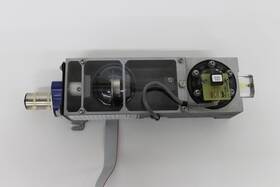
( Brand: Zeiss Humphrey ), ( Manufacturer Part Number: 9912600 ), ( Type: Lab., Medical, Dental Vet )
Review ZEISS HUMPHREY Field Analyzer 750 Metering Pump And Board
The **Zeiss Humphrey 9912600 Field Analyzer 750 Pump Board** is a precision-engineered component designed to enhance the performance and reliability of the Humphrey Field Analyzer 750, a sophisticated instrument used in optometric and ophthalmic diagnostics. This pump board serves as the critical power and fluid management hub, ensuring seamless operation of the device s hydraulic system, which is essential for accurate and repeatable visual field testing. Engineered with meticulous attention to detail, the pump board integrates a robust, high-efficiency pump mechanism that maintains consistent pressure and flow rates, minimizing variability in test results while extending the lifespan of the instrument s moving parts. Constructed from high-grade materials, including corrosion-resistant metals and precision-machined components, the board is built to withstand the demands of frequent use in clinical settings, where durability and consistency are paramount. Its modular design allows for easy integration with the Field Analyzer 750, ensuring compatibility without compromising the integrity of the diagnostic system. The pump board also incorporates advanced filtration and pressure regulation systems to prevent contamination and maintain optimal operating conditions, thereby safeguarding both the instrument and the patient s safety during testing. Whether used in a busy ophthalmology clinic or a research facility, this component plays a pivotal role in delivering the high-precision measurements required for diagnosing and monitoring glaucoma, retinal diseases, and other visual field deficiencies. By combining engineering excellence with clinical precision, the **Zeiss Humphrey 9912600 Field Analyzer 750 Pump Board** exemplifies the brand s commitment to innovation and reliability in ophthalmic diagnostics.
The Zeiss Humphrey Field Analyzer (model 9912600) with the 750 pump board is a specialized diagnostic tool used primarily in ophthalmology for visual field testing. Below is a detailed breakdown of its pros and cons, followed by a conclusion and recommendation.
---
### **Pros of the Zeiss Humphrey Field Analyzer (9912600) with 750 Pump Board**
1. **Clinical Accuracy and Reliability**
The Humphrey Field Analyzer is widely regarded as one of the gold standards for visual field testing in clinical practice. It provides highly accurate and reproducible results, which are critical for diagnosing and monitoring glaucoma, optic neuritis, retinal diseases, and other neuro-ophthalmic conditions. The precision of the 750 pump board ensures consistent air puff stimulation, a key factor in reliable threshold testing.
2. **Versatility in Testing Protocols**
The device supports a wide range of test protocols, including the Swedish Interactive Threshold Algorithm (SITA) standards (SITA Standard, SITA Fast, SITA Swedish Interactive Threshold Algorithm), which reduce testing time without sacrificing accuracy. This versatility allows clinicians to tailor tests to patient needs, such as shorter tests for pediatric or elderly patients or more comprehensive tests for diagnostic purposes.
3. **Integration with Clinical Workflows**
The Humphrey Field Analyzer is designed to integrate seamlessly with electronic health records (EHR) and other diagnostic systems. Many models, including this one, support digital reporting and storage, enabling easy sharing of results with referring physicians or specialists. This integration enhances efficiency in multi-disciplinary care settings.
4. **Durability and Longevity**
Zeiss is a reputable manufacturer known for producing high-quality medical equipment. The Humphrey Field Analyzer is built to withstand frequent use in clinical settings, with robust construction that minimizes downtime. The 750 pump board, in particular, is designed for reliability, reducing the need for frequent maintenance or replacement.
5. **Advanced Features for Specialized Testing**
The device includes features such as kinetic perimetry (for detecting subtle visual field defects) and the ability to perform frequency doubling technology (FDT) testing, which is particularly useful for detecting early glaucoma. These advanced capabilities make it a versatile tool for comprehensive ophthalmic evaluations.
6. **Support and Service Network**
Zeiss has a global network of authorized service providers and technical support teams. This ensures that users have access to prompt repairs, software updates, and training, which is essential for maintaining the device s performance over time.
7. **Research and Diagnostic Value**
For researchers or clinicians involved in clinical trials or specialized diagnostics, the Humphrey Field Analyzer provides detailed, standardized data that can be used for comparative studies. Its widespread use also means that results can be benchmarked against large datasets, enhancing diagnostic confidence.
---
### **Cons of the Zeiss Humphrey Field Analyzer (9912600) with 750 Pump Board**
1. **High Initial Cost**
The primary drawback of the Humphrey Field Analyzer is its significant upfront cost. Purchasing a new unit, especially one with a 750 pump board, can be a substantial investment for individual practitioners or small clinics. This cost may limit accessibility for practices with limited budgets.
2. **Maintenance and Operational Expenses**
While the device is durable, it requires regular maintenance, including calibration, software updates, and potential repairs. These ongoing costs can add up over time, particularly if the device is used extensively. Additionally, replacement parts or consumables (e.g., air filters, pump components) may incur additional expenses.
3. **Space and Installation Requirements**
The Humphrey Field Analyzer requires dedicated space in a clinical setting. It is not a portable device, so it must be installed in a dedicated room with proper lighting, ventilation, and ergonomic considerations for both the patient and the technician. This may not be feasible in all practice settings, particularly in smaller or mobile clinics.
4. **Learning Curve for Users**
While the device is user-friendly once familiarized, there is an initial learning curve for new users. Clinicians or technicians must undergo training to interpret results accurately and troubleshoot common issues. This can lead to a temporary reduction in productivity until staff are fully trained.
5. **Software Dependence and Updates**
The Humphrey Field Analyzer relies on proprietary software, which may require periodic updates. These updates can sometimes introduce bugs or compatibility issues, temporarily disrupting workflows. Users must also ensure they have the latest software to access new features or security patches.
6. **Depreciation Over Time**
Like all medical equipment, the Humphrey Field Analyzer will depreciate in value over time. While it remains a valuable tool for many years, the cost of ownership extends beyond the initial purchase, and the device may become outdated as newer technologies emerge. This can be a consideration for practices looking to upgrade in the future.
7. **Limited Portability**
Due to its size and power requirements, the Humphrey Field Analyzer is not portable. This limits its use to fixed clinical settings and may restrict its application in fieldwork or home-based patient evaluations.
8. **Potential for False Positives/Negatives**
While highly accurate, visual field testing is not infallible. Factors such as patient fatigue, refractive errors, or technical issues can influence results. Clinicians must use their judgment and correlate findings with other diagnostic tests to avoid misdiagnosis.
---
### **Conclusion**
The Zeiss Humphrey Field Analyzer (9912600) with the 750 pump board is a highly sophisticated and reliable tool for visual field testing, offering unmatched accuracy, versatility, and clinical value. Its advanced features, integration capabilities, and durability make it indispensable in ophthalmology for diagnosing and monitoring a wide range of eye conditions. However, its high cost, maintenance requirements, and space needs present significant challenges, particularly for smaller practices or those with limited resources.
For large ophthalmology clinics, academic institutions, or practices specializing in glaucoma or neuro-ophthalmology, the Humphrey Field Analyzer is a worthwhile investment. It provides long-term value through precise diagnostics and efficient workflow integration. Conversely, for individual practitioners, small clinics, or settings where budget constraints are a priority, the cost and operational demands may outweigh the benefits. In such cases, alternative options such as newer digital perimeters (e.g., Octopus or newer Humphrey models) or leasing arrangements might be more feasible.
---
### **Recommendation**
**Purchase the Zeiss Humphrey Field Analyzer (9912600) with the 750 pump board if:**- You are a well-established ophthalmology clinic, hospital, or academic center with the budget to invest in high-end diagnostic equipment.
- Your practice specializes in glaucoma, neuro-ophthalmology, or other conditions requiring precise visual field testing.
- You have the space and infrastructure to accommodate the device and support its maintenance.
- You prioritize long-term reliability, clinical accuracy, and integration with existing diagnostic workflows.
**Consider alternatives or leasing options if:**- Your budget is limited, and you cannot justify the high upfront cost.
- Your practice is small or mobile, and portability or space constraints are a concern.
- You are open to exploring newer digital perimeters or other testing technologies that may offer similar functionality with updated features.
- You prefer to spread out costs over time through leasing or financing arrangements.
Ultimately, the decision should be based on a thorough assessment of your practice s needs, financial capacity, and long-term goals. Consulting with colleagues, reviewing user feedback, and evaluating the total cost of ownership (including maintenance and operational expenses) will help ensure that the investment aligns with your clinical objectives.
Details:
Metering Module. Info on Unit. Item is used, pulled from working decommissioned Zeiss Humphrey Field Analyzer 750. Seem No 9912600.
Assay No 991259B. Zeiss Humphrey Field Analyzer 750 Metering Pump and Board. Coulter Electronics. See pictures, item comes as shown.
part #: 9912600 price
- $99.95
specifications tubinglabsupplyu:
- brand: Zeiss Humphrey
- mpn: 9912600
- type: Lab., Medical, Dental Vet
offer tubinglabsupplyu:
- quantity: 1
- options: Ship-to-home
- availability: In Stock
- sold: 0
- started: March 9, 2026
- best offers: True
shipping tubinglabsupplyu:
- class: Economy, Standard
- service: UPS Ground Saver, FedEx Ground Economy, UPS Ground, USPS Ground Advantage
- cost: $10.94
- type: Calculated
- transit: 3-9 Days
- carrier: UPS, FedEx, USPS
seller tubinglabsupplyu:
- city: Fayette, Alabama
- rating: 99.6%
- # reviews: 1926
returns tubinglabsupplyu:
- policy: Returns Accepted
- method: Money back
- time: 30 Days
- paid by: Buyer
general tubinglabsupplyu:
- condition: Used
- Healthcare, Lab Dental > Medical, Lab Dental Supplies > Other Medical, Lab Dental Supplies
payments tubinglabsupplyu:
- credit card: Visa
- wallet: Paypal
- other
Zeiss Humphrey 9912600 Is Similar To:
- Zeiss Humphrey 8309128c Field Analyzer 750 Z Series Main Board (77.2% similar) See pictures, item comes as shown. Info on unit. Item is used, pulled from working decommissioned Zeiss Humphrey field analyzer 750. Seem no 8309127. Assay 8309129. Zeiss Humphrey field analyzer 750 z series main board...(March 9th, 2026)