ABI 4309849 Prism Optical Reaction Plate 384-WELL 40
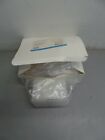
( Brand: Abi ), ( Manufacturer Part Number: 4309849 ), ( Part Type: Plate )
Review ABI 384-well 40 Prism Clear Optical Reaction
The 384-well 40 ABI Prism 4309849 Optical Reaction Plate is a high-quality, versatile, and essential tool for molecular biology applications. This plate is specifically designed for use with the ABI Prism 7900HT Sequence Detection System and other compatible real-time PCR systems.
The plate features 384 wells, each with a volume capacity of 20 L, providing a large capacity for high-throughput assays. The wells are designed with a flat bottom and low-volume design, ensuring accurate and consistent reaction volumes. The optical reaction plate is made from clear, high-quality polymers, ensuring robustness and durability for long-term use.
The 40 ABI Prism 4309849 Optical Reaction Plate is optimized for use with fluorescent dyes and probes, allowing for real-time PCR, quantitative PCR, and other molecular biology assays. The plate is compatible with a wide range of reagents, including TaqMan, SYBR Green, and other proprietary and third-party assays.
The plate is easy to use and handle, with a flat bottom design that allows for easy handling and stacking. The wells are also designed with a matte finish, reducing glare and ensuring accurate and precise readings. The plate is also easy to clean, with a smooth surface that resists adhesion of residues.
In summary, the 384-well 40 ABI Prism 4309849 Optical Reaction Plate is an essential tool for molecular biology research, providing high-capacity, high-throughput, and accurate results for real-time PCR and other assays. Its robust design, compatibility with a wide range of reagents, and easy handling make it an ideal choice for laboratories and research institutions.
Pros of buying a 384-well 40 ABI Prism 4309849 optical reaction plate:1. High throughput: The 384-well format allows for the processing of a large number of samples in a single run, which can save time and resources.
2. Sensitive and specific: The ABI Prism 4300 system is known for its high sensitivity and specificity, making it well-suited for a variety of applications, such as genotyping, gene expression analysis, and mutation detection.
3. Compatible with a wide range of assays: The 40 ABI Prism 4309849 optical reaction plate is compatible with a wide range of assays, including TaqMan, SNPlex, and Molecular Beacons, making it a versatile tool in the lab.
4. Reliable and reproducible: The ABI Prism 4300 system is known for its reliability and reproducibility, which is important for obtaining accurate and consistent results.
Cons of buying a 384-well 40 ABI Prism 4309849 optical reaction plate:1. High cost: The ABI Prism 4300 system and 40 ABI Prism 4309849 optical reaction plates can be expensive, which may be a limiting factor for some laboratories.
2. Requires specialized equipment and training: The ABI Prism 4300 system and 40 ABI Prism 4309849 optical reaction plates require specialized equipment and training, which can be time-consuming and costly.
3. Limited capacity: The 384-well format may not be suitable for all types of experiments, as it may not provide enough capacity for some applications.
Conclusion:The 384-well 40 ABI Prism 4309849 optical reaction plate is a powerful tool for high-throughput, sensitive, and specific analysis of genetic material. Its compatibility with a wide range of assays and its reliability and reproducibility make it a valuable asset for many laboratories. However, its high cost and requirement for specialized equipment and training may be limiting factors for some. Ultimately, the decision to purchase a 384-well 40 ABI Prism 4309849 optical reaction plate should be based on the specific needs and resources of the laboratory.
Recommendation:If the laboratory has the resources and expertise to utilize the ABI Prism 4300 system and 40 ABI Prism 4309849 optical reaction plates, they can provide significant benefits in terms of throughput, sensitivity, and specificity. However, if the laboratory is on a tight budget or lacks the necessary equipment and training, alternative options such as 96-well plates or other PCR systems may be more suitable. It is important to carefully consider the specific needs and resources of the laboratory before making a purchasing decision.
Details:
part #: 4309849 prices
- $25.00-$103.12
specifications tubinglabsupplyu:
- brand: Abi
- mpn: 4309849
- part type: Plate
Offer tubinglabsupplyu:
- best offer: true
- bids: 0
- Started: January 17, 2019, 11:14 am
- quantity: 1
- Sold: 0
Returns tubinglabsupplyu:
- policy: returns accepted
- time: 30 Days
- paid by: Buyer
- type: Money back or replacement buyers choice
Shipping tubinglabsupplyu:
- cost: $0.0
- type: Flat
- handling: 1 days
Seller tubinglabsupplyu:
- # feedbacks 01-17-19: 12593
- rating 01-17-19: 100.0%
- zipcode: 44827
- city: Crestline, Ohio
General tubinglabsupplyu:
- condition: New other see details
- in stock: Yes
- Medical, Lab Dental Supplies > Other Medical, Lab Dental Supplies
Payments tubinglabsupplyu:
- PayPal
Abi 4309849 Is Similar To:
- Thermo 4379590 New Abi Microamp 96-well Support Base (35.3% similar) Lot CON4/1TOPBLUEPL new in the box Abi micro amp 96-WELL support BASE,10 bases per box, cat no 4379590...(August 19th, 2023)