GRAFCO 0761 Mckesson Lens Paper Bibulous Microfiber Cloths Lab
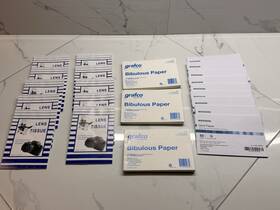
( Brand: Grafco ), ( Manufacturer Part Number: 0761 ), ( Part Type: Len ), ( Intended Use/discipline: Biological Laboratory, Medical Laboratory )
Review GRAFCO Mckesson Lens Paper Bibulous Microfiber Cloths Lab
The **Grafco McKesson 0761 Lens Paper Bibulous Microfiber Cloths** are a premium, high-performance cleaning solution meticulously engineered for precision and efficiency in laboratory, optical, and high-precision environments. Designed with a **bibulous (wicking) microfiber construction**, these cloths excel at absorbing moisture, oils, and fine particles with unmatched effectiveness, ensuring spotless surfaces without streaks or residue. The **ultra-soft, low-lint microfiber material** is crafted to protect delicate lenses, optical components, and sensitive equipment while delivering a gentle yet thorough clean. Each cloth features a **durable, non-abrasive surface** that resists pilling and maintains its integrity even after repeated use, making them ideal for frequent cleaning tasks in demanding settings. The **compact, foldable design** allows for easy storage and portability, while the **sterile packaging** ensures contamination-free use, which is critical in sterile or controlled environments. Whether used for cleaning microscope slides, camera lenses, lab glassware, or precision instruments, these cloths provide a **consistent, streak-free finish** that meets the rigorous standards of scientific and technical applications. Their **versatility, durability, and reliability** make them an indispensable tool for professionals who demand excellence in cleanliness and precision.
**Pros and Cons of Buying Grafco McKesson 0761 Lens Paper Bibulous Microfiber Cloths (Lab Grade)**
### **Pros:**1. **High Absorbency and Cleanliness** The bibulous microfiber material is designed to absorb liquids effectively, making it ideal for cleaning lenses, optical surfaces, and lab equipment without leaving streaks or residue. This reduces the risk of contamination in laboratory settings.
2. **Durability and Reusability** Microfiber cloths are known for their longevity. When properly cared for, these cloths can be washed and reused multiple times, offering cost savings over disposable alternatives.
3. **Safe for Sensitive Surfaces** The cloth is gentle enough to clean delicate optical components (e.g., microscope lenses, eyepieces, and lab glassware) without scratching or damaging them.
4. **Static-Free** Microfiber is less likely to generate static electricity, which is beneficial when working with electronics or sensitive optical equipment where static could cause interference or damage.
5. **Versatile Use** Beyond lab applications, these cloths can be used for cleaning eyeglasses, camera lenses, and other precision optical surfaces, making them a practical investment for multiple purposes.
6. **Easy to Clean and Maintain** Unlike paper towels or cotton cloths, microfiber can be washed with mild detergent and air-dried, ensuring they remain hygienic for repeated use.
7. **Brand Reliability** Grafco (a division of McKesson) is a trusted supplier in the medical and laboratory industries, ensuring consistent quality and reliability in their products.
---
### **Cons:**1. **Initial Cost** While reusable, the upfront cost of purchasing a pack of these cloths may be higher than buying disposable alternatives like lens tissues or paper towels. However, this cost is often offset over time due to reusability.
2. **Maintenance Requirements** To maintain effectiveness, the cloths must be washed regularly and dried properly. Improper care (e.g., using harsh detergents or bleach) can degrade the microfiber, reducing absorbency and durability.
3. **Limited Absorbency for Heavy Liquids** While excellent for cleaning, these cloths may not be as effective as bibulous paper towels for absorbing large volumes of liquid spills (e.g., chemical splashes). They are better suited for wiping rather than soaking up excessive moisture.
4. **Potential for Fiber Shedding** Low-quality microfiber cloths can shed fibers, which may contaminate sensitive surfaces. However, Grafco s lab-grade products are typically designed to minimize this issue.
5. **Not Ideal for All Cleaning Agents** Some cleaning solutions (e.g., abrasive cleaners or solvents) can damage microfiber over time. It s important to use compatible cleaners to preserve the cloth s integrity.
6. **Storage Space** If you require multiple cloths for a busy lab or optical workshop, they may take up more storage space than single-use alternatives.
---
### **Conclusion:**The Grafco McKesson 0761 Lens Paper Bibulous Microfiber Cloths are a highly effective and cost-efficient choice for cleaning optical and laboratory surfaces. Their superior absorbency, durability, and gentleness make them superior to disposable alternatives for long-term use. However, they require proper maintenance to retain their performance, and their suitability may vary depending on the specific cleaning tasks at hand.
For users who prioritize cleanliness, reusability, and precision in cleaning delicate surfaces (e.g., labs, optical workshops, or eyeglass repair), these cloths are an excellent investment. Those who frequently handle large liquid spills or prefer minimal upfront maintenance might find disposable alternatives more convenient, though less sustainable.
### **Recommendation:**If you work in a laboratory, optical repair setting, or any environment where cleanliness and precision are critical, the **Grafco McKesson 0761 microfiber cloths are highly recommended**. Purchase a pack of at least 10 20 cloths to ensure availability for regular use. Store them in a clean, dry place and follow care instructions (hand wash with mild detergent, air dry) to maximize their lifespan. For heavy-duty spill cleanup, pair these cloths with bibulous paper towels or appropriate spill kits. Overall, their long-term value and performance justify the initial cost.
Details:
The number count might be off as they have been used, but a majority of the paper should there. They are pre-owned so they might have some dust or marks on the outside. 9x packs of McKesson Lens Paper, 3x Grafco Bibulous 10x lens paper, and 2 Microfiber Cloths Lab.
part #: 0761 price
- $22.96
specifications tubinglabsupplyu:
- brand: Grafco
- mpn: 0761
- part type: Len
- intended use/discipline: Biological Laboratory, Medical Laboratory
shipping tubinglabsupplyu:
- type: Calculated
- cost: $0.00
- class: Standard
- service: USPS Ground Advantage
- carrier: USPS
- transit: 5-12 Days
returns tubinglabsupplyu:
- policy: No Returns
general tubinglabsupplyu:
- Healthcare, Lab Dental > Medical, Lab Dental Supplies > Other Medical, Lab Dental Supplies
- condition: Used
payments tubinglabsupplyu:
- other
- credit card: Mastercard
- wallet: Google-pay
offer tubinglabsupplyu:
- availability: In Stock
- quantity: 1
- best offers: True
- options: Ship-to-home
- started: April 10, 2026
- sold: 0
seller tubinglabsupplyu:
- rating: 100.0%
- # reviews: 71
- city: Chula Vista, California